

Auto Body Repairs: What to Expect and How to Prepare

December 17, 2025

Experiencing vehicle damage can be stressful and overwhelming, whether from a minor fender bender or a significant collision. Beyond the immediate inconvenience, car repairs involve a series of decisions that can affect your vehicle’s safety, appearance, and resale value. Understanding what to expect during the auto body repair process is essential for any vehicle owner. Being informed allows you to make smart choices, reduce stress, and ensure your vehicle is restored to its optimal condition efficiently. Auto body repairs are not just about aesthetics—they play a crucial role in maintaining structural integrity and overall vehicle performance.


Preparation is key to navigating this process smoothly. Knowing how repair shops operate, what information they require, and how insurance claims work can save both time and money. From initial assessments to final inspections, each stage of auto body repair has distinct procedures and expectations. This guide provides a comprehensive overview of the auto body repair journey, practical tips to prepare, and insights to ensure a seamless experience. Whether you are dealing with minor cosmetic damage or major structural repairs, understanding the steps involved equips you with the confidence to handle the situation professionally and efficiently.

Initial Assessment and Damage Evaluation

  • Understanding the Assessment Process

    When you bring your vehicle to an auto body shop, the first step is a thorough assessment of the damage. Technicians carefully inspect every affected area, both visible and hidden, to determine the extent of repairs needed. This includes checking for structural damage, paint scratches, dents, and potential internal issues. In some cases, what appears to be a minor scratch may indicate underlying problems that could affect your vehicle’s safety.

  • Importance of Detailed Estimates

    A detailed repair estimate provides transparency regarding costs and timelines. Estimates often include labor, parts, paint, and additional services required to restore your car. By reviewing this document carefully, you can ensure all aspects of the damage are accounted for and avoid unexpected charges later. For insurance purposes, a comprehensive estimate is critical for claim approval.

  • Real-World Scenario

    Consider a scenario where a driver experiences a rear-end collision. The visible damage may be limited to the bumper and trunk, but an experienced technician may discover alignment issues or frame damage. Early detection prevents long-term mechanical problems and ensures safety during driving.


    Tip: Always accompany the technician during the assessment to ask questions and understand the scope of work.

Insurance and Claim Preparation

Working with Your Insurance Provider

Most auto body repairs involve insurance claims, particularly after collisions. Contacting your insurance provider promptly helps initiate the claims process efficiently. Provide accurate details about the incident, photos of the damage, and any relevant documentation. Understanding your policy’s coverage, deductibles, and limits ensures realistic expectations for out-of-pocket expenses.

Coordinating with the Repair Shop

Reputable auto body shops work closely with insurance adjusters to streamline the process. They provide detailed reports, photographs, and repair estimates to facilitate approval. Clear communication between you, the insurer, and the repair shop helps prevent delays and ensures transparency throughout the process.

Best Practices for Claim Preparation

  • Keep records of all communications, including emails and phone calls.
  • Take multiple photos of the damage from different angles immediately after the incident.
  • Ask the repair shop for a written estimate that aligns with insurance requirements.
  • Understand your coverage for rental vehicles while your car is being repaired.


Expert Insight: Being organized and proactive during this phase significantly reduces the stress and uncertainty that often accompany auto body repairs.

Repair Process: Step-by-Step

Structural and Frame Repairs

For vehicles with significant damage, restoring the frame and structural components is the first priority. Modern vehicles rely on precisely engineered frames, and any misalignment can compromise safety and performance. Certified technicians use advanced equipment to ensure accurate alignment according to manufacturer specifications.

Dent Removal and Panel Replacement

Minor dents and scratches can be repaired through paintless dent removal techniques, which preserve the original paint and reduce costs. In cases of severe damage, panels may need replacement. Professionals ensure that new panels match the vehicle’s original design and paint seamlessly.

Painting and Finishing

High-quality auto body shops use advanced paint-matching technology to restore your vehicle’s appearance. Multiple coats, blending techniques, and protective finishes ensure a durable, factory-like finish. Drying and curing processes are carefully monitored to prevent imperfections such as peeling or discoloration.

Quality Checks and Test Drives

After repairs, technicians conduct rigorous quality checks, including visual inspections and functional testing. Any electronic components, sensors, or mechanical systems affected by the repair are tested to ensure full functionality. Test drives confirm that alignment, brakes, and steering are safe and perform optimally.


Example: A driver whose vehicle sustained a side collision may not notice internal sensor damage initially. Post-repair diagnostics identify and resolve these issues, preventing potential safety hazards.

Preparing Your Vehicle for Auto Body Repairs

  • Pre-Repair Documentation

    Before handing over your vehicle, gather important documents such as insurance information, repair estimates, and vehicle registration. Taking photographs of your vehicle’s condition prior to repairs is also advisable, providing a reference point for post-repair evaluation.

  • Removing Personal Belongings

    To avoid loss or damage, remove personal items from the car. Auto body repairs often involve interior access for frame or component adjustments, so clearing the cabin and trunk protects your belongings and allows technicians to work efficiently.

  • Understanding Repair Timelines

    Repair duration varies depending on the complexity of the damage. Minor cosmetic repairs may take a few days, while major structural repairs can last several weeks. Understanding the expected timeline helps with transportation planning, including arranging rental vehicles if necessary.

  • Choosing a Trustworthy Repair Shop

    Selecting a certified and reputable auto body shop is critical. Look for shops with industry certifications, positive customer reviews, and a track record of quality work. Trustworthy professionals prioritize safety, accuracy, and customer satisfaction.


    Tip: Ask about warranties for both parts and labor, which provide additional peace of mind.

Common Challenges During Auto Body Repairs

Hidden Damage Discovery

Unexpected damage discovered during the repair process can extend timelines and increase costs. This may include structural issues, hidden dents, or electronic component malfunctions. Transparent communication from the repair shop ensures you are informed about changes promptly.

Supply Chain Delays

Availability of replacement parts can affect repair timelines, particularly for specialized or imported vehicles. Planning for potential delays helps set realistic expectations and prevents frustration.

Cost Management

Unexpected repairs can strain budgets. Requesting a detailed estimate upfront and discussing contingencies with the shop and insurance provider minimizes financial surprises. Some repair shops offer flexible payment options to manage costs effectively.

Balancing Safety and Aesthetics

While restoring appearance is important, safety should always take priority. Professional technicians emphasize structural integrity, ensuring that vehicles meet safety standards even when repairs are primarily cosmetic.

Expert Insight: Addressing challenges proactively and maintaining open communication with your repair team leads to smoother outcomes and higher satisfaction.

Post-Repair Care and Maintenance

  • Inspecting Repairs

    Upon receiving your vehicle, conduct a thorough inspection to ensure repairs meet expectations. Check alignment, paint consistency, panel gaps, and functionality of doors, lights, and electronics. Document any concerns immediately and discuss them with the repair shop.

  • Routine Maintenance for Longevity

    Proper maintenance extends the life of repairs. Regular washing, waxing, and protective treatments prevent corrosion and preserve the vehicle’s appearance. For collision repairs, avoid aggressive driving for a few weeks to allow paint and adhesives to fully cure.

  • Scheduling Follow-Ups

    Some repairs may require follow-up inspections, particularly if structural components or electronics were involved. Reputable shops provide guidance on recommended check-ins to ensure long-term performance and safety.

  • Benefits of Professional Repair

    Professional auto body repairs restore your vehicle to factory standards, enhancing safety, preserving resale value, and preventing long-term mechanical issues. While DIY solutions may seem convenient, they often lack the precision and quality required for comprehensive repairs.

Example: A professionally repaired vehicle following a major collision may look and perform as if it were new, maintaining structural safety and aesthetic appeal.

Key Takeaways for Smooth Auto Body Restoration

Auto body repairs involve more than just fixing dents and scratches. From the initial assessment to final inspections, understanding each stage empowers vehicle owners to make informed decisions, coordinate effectively with insurance providers, and ensure the highest quality results. Being prepared with proper documentation, clear communication, and realistic expectations helps navigate potential challenges, including hidden damage, supply delays, or cost fluctuations. By choosing professional services and adhering to post-repair care guidelines, you ensure both the safety and aesthetic integrity of your vehicle, preserving its value and longevity.


At T & T Auto Body and Service in Minersville, PA, we bring 40 years of industry expertise to every repair. Our commitment to quality, precision, and customer satisfaction ensures that each vehicle is restored to its optimal condition. We work closely with insurance providers, provide detailed estimates, and keep you informed at every stage, ensuring transparency and confidence throughout the repair process. From minor cosmetic touch-ups to major structural repairs, our skilled technicians prioritize safety, aesthetics, and performance. Trust us to deliver reliable, professional auto body solutions that protect your investment and restore your vehicle to its best condition.

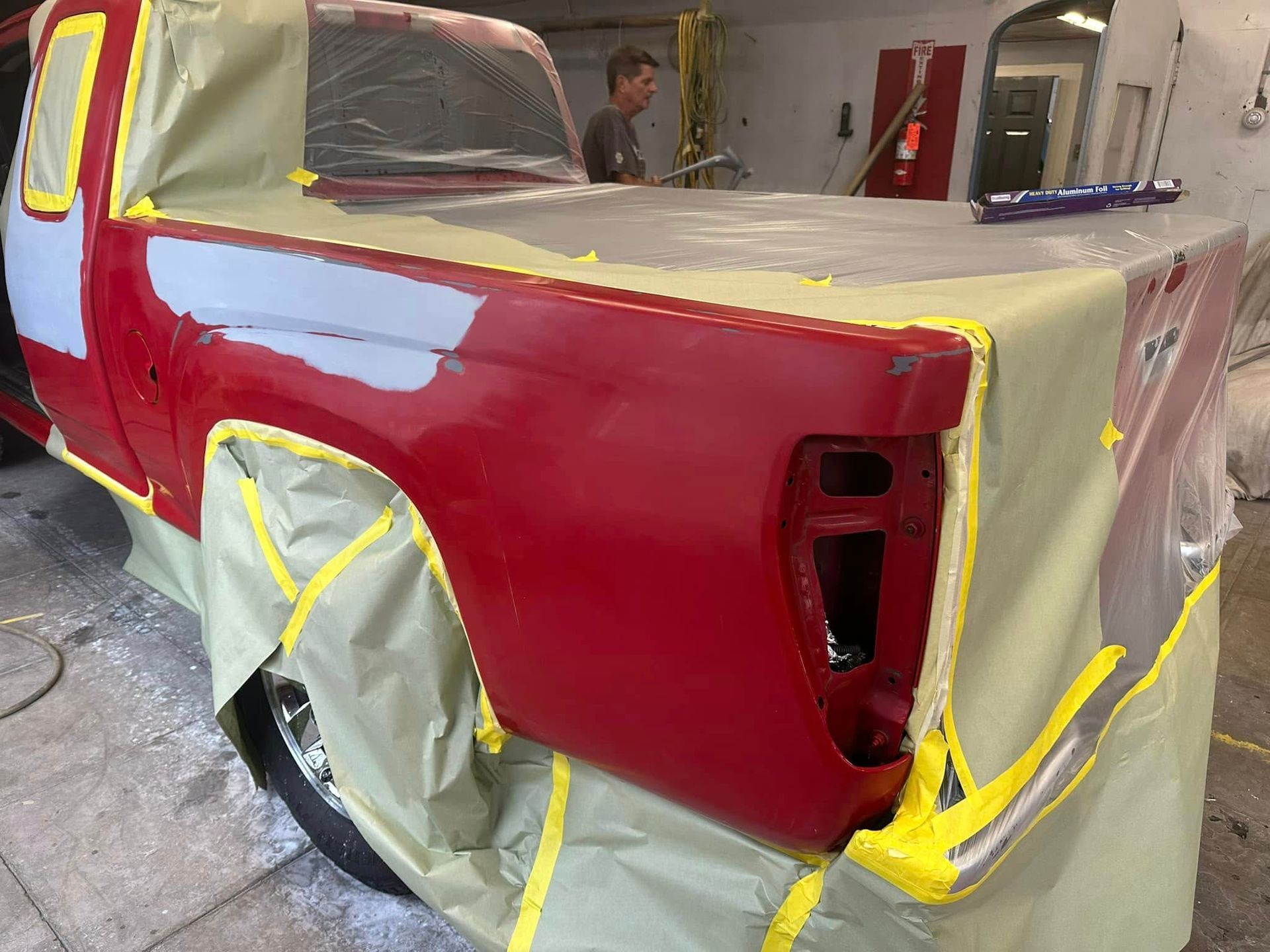
Red pickup truck being painted in a shop, masked with yellow tape and covered in plastic. A person is visible in the background.
January 5, 2026
Experiencing a car accident is stressful, and understanding the repair process can feel even more overwhelming.
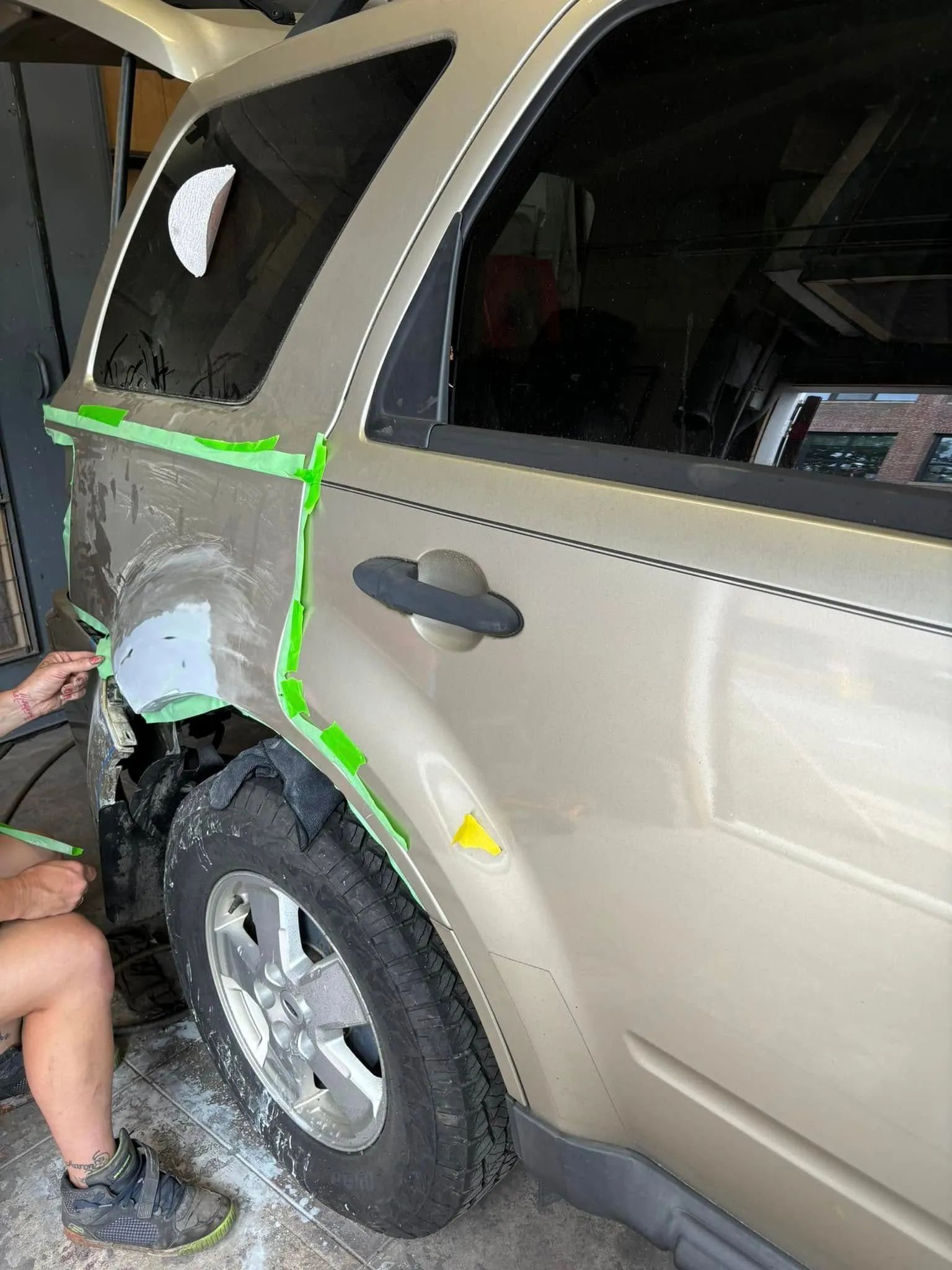
A tan SUV being repaired in a garage; areas taped with green, damaged panel attached. A person's arm and leg are visible.
November 12, 2025
Car accidents are an unfortunate reality for many drivers, and even minor collisions can result in significant vehicle damage. Understanding the most common types of damages and knowing how to address them is essential for keeping your car safe, functional, and aesthetically pleasing.
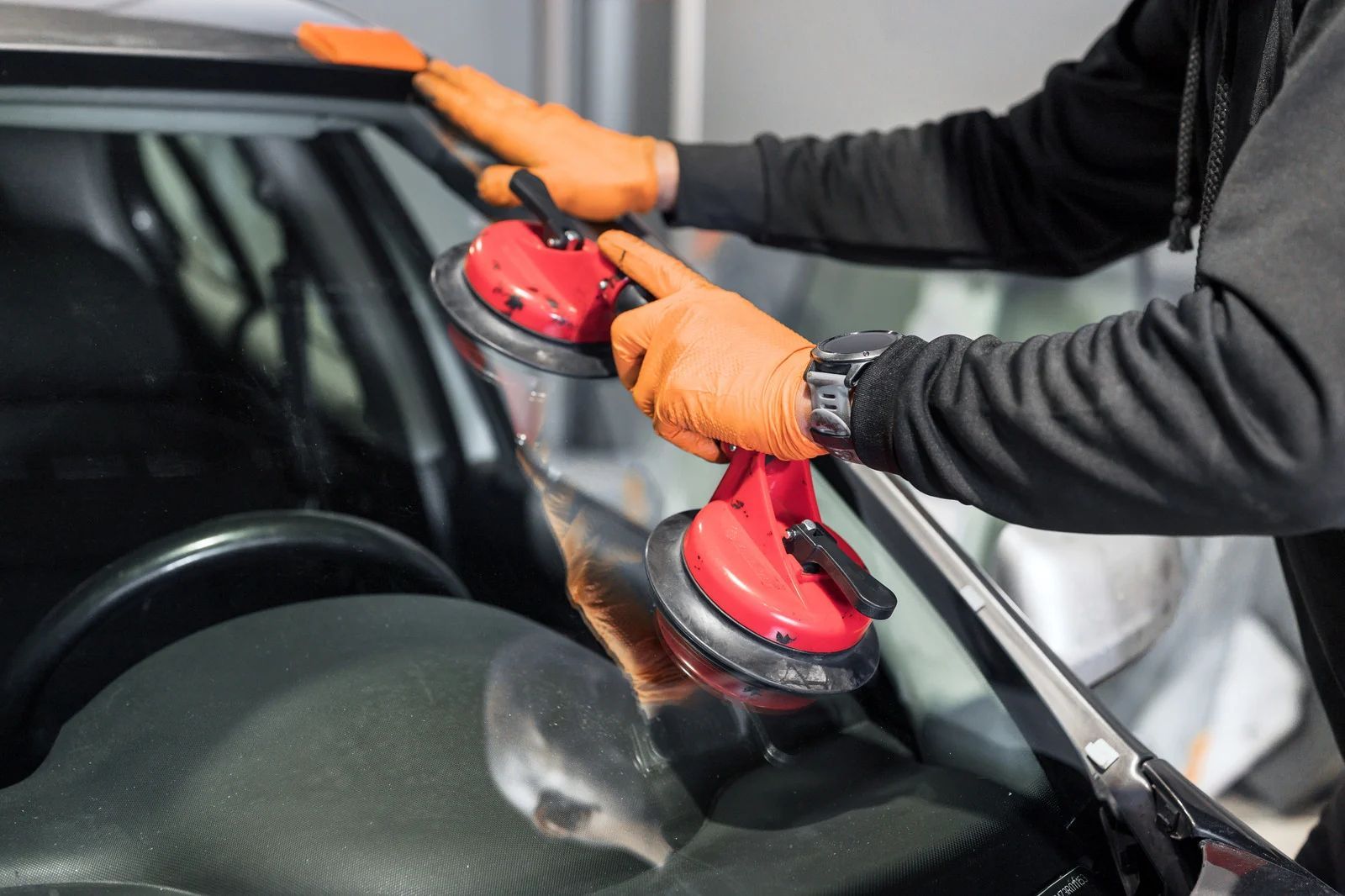
Person in orange gloves uses suction cups to remove a windshield from a car.
October 4, 2025
Your vehicle’s windshield and auto glass are more than just windows to the road—they’re vital components of your car’s structural integrity and safety. Whether it’s a small chip from a stray rock or a large crack from an accident, damaged auto glass can quickly escalate if left untreated.
Show More
Red pickup truck being painted in a shop, masked with yellow tape and covered in plastic. A person is visible in the background.
January 5, 2026
Experiencing a car accident is stressful, and understanding the repair process can feel even more overwhelming.
A tan SUV being repaired in a garage; areas taped with green, damaged panel attached. A person's arm and leg are visible.
November 12, 2025
Car accidents are an unfortunate reality for many drivers, and even minor collisions can result in significant vehicle damage. Understanding the most common types of damages and knowing how to address them is essential for keeping your car safe, functional, and aesthetically pleasing.
Person in orange gloves uses suction cups to remove a windshield from a car.
October 4, 2025
Your vehicle’s windshield and auto glass are more than just windows to the road—they’re vital components of your car’s structural integrity and safety. Whether it’s a small chip from a stray rock or a large crack from an accident, damaged auto glass can quickly escalate if left untreated.
Show More