

What Really Happens During a Collision Repair? A Step-by-Step Breakdown Every Driver Should Know

January 5, 2026

Experiencing a car accident is stressful, and understanding the repair process can feel even more overwhelming. For many drivers, the moment after a collision brings uncertainty about how their vehicle will be restored, how long it will take, and whether the repairs will truly return the car to its pre-accident condition. Collision repair isn’t just about replacing damaged parts; it’s a meticulous process that combines skilled craftsmanship, advanced technology, and safety-focused procedures. Knowing what happens during a repair can empower drivers to make informed decisions and feel confident about entrusting their vehicles to a professional auto body shop.


Every collision repair follows a structured workflow designed to ensure safety, functionality, and aesthetic quality. From the initial assessment to the final quality check, each step addresses specific needs and challenges. Understanding this process not only sets realistic expectations but also highlights the complexity and precision involved in modern auto repairs. In this guide, we’ll break down the key stages of collision repair, explain what happens behind the scenes, and provide actionable insights for vehicle owners. Whether it’s a minor fender bender or significant structural damage, knowing the process ensures you can navigate repairs with clarity, avoid common pitfalls, and safeguard your investment.

Initial Assessment and Damage Evaluation

  • Visual Inspection

    The first step in collision repair begins the moment your vehicle arrives at an auto body shop. Skilled technicians conduct a detailed visual inspection to identify visible damage such as dents, scratches, broken lights, misaligned panels, or shattered glass. Even seemingly minor imperfections can indicate deeper structural issues that may compromise safety. Technicians also examine areas surrounding the visible damage to uncover hidden problems like bent frames, weakened mounts, or compromised suspension components.

  • Diagnostic Scanning

    Modern vehicles often include complex electronic systems. Advanced diagnostic tools scan for sensor errors, airbag faults, and other computer-controlled components. For instance, a seemingly simple rear-end collision might disrupt parking sensors, airbags, or adaptive cruise control systems. Identifying these issues early prevents further complications during the repair process and ensures all safety systems function correctly once the vehicle is restored.

  • Documentation and Estimation

    After evaluation, the shop documents every damage point through photographs and detailed notes. Using this information, technicians prepare an accurate repair estimate covering parts, labor, and potential hidden damages that may arise once disassembly begins. Clear documentation also aids insurance claims, streamlining approval and reducing disputes between the vehicle owner, insurer, and repair facility.

Pro Tip: Ask your repair facility to walk you through the assessment findings. Understanding the extent of the damage helps you make informed decisions about repairs and potential upgrades.

Disassembly and Damage Verification

Removing Damaged Components

Once the initial assessment is complete, technicians begin disassembly. Panels, bumpers, headlights, and other affected parts are carefully removed to expose the underlying structure. This stage is critical for detecting hidden damages such as frame bends, compromised mounts, or rusted components that may have gone unnoticed during the initial inspection.

Structural Analysis

During disassembly, structural components like the vehicle frame, subframe, and crumple zones are examined for alignment and integrity. Technicians use specialized equipment, including frame racks and laser measuring systems, to ensure the vehicle’s chassis meets manufacturer specifications. Proper structural repair is essential for safety and ensures the car will perform correctly in future collisions.

Insurance Coordination

At this stage, insurance adjusters may inspect the vehicle to confirm repair needs. Accurate documentation from disassembly provides evidence of hidden damages, helping prevent claim denials and ensuring coverage aligns with the actual repair work required.


Real-World Scenario: A customer brings in a car with minor bumper damage, but after disassembly, technicians discover frame misalignment. Early detection prevents unsafe repairs and costly future issues.

Body Repair and Structural Restoration

Straightening and Aligning

Once damages are exposed, the bodywork phase begins. Using hydraulic lifts, frame machines, and precision tools, technicians straighten bent frames, realign suspension mounts, and restore the car’s original geometry. Even minor misalignments can affect vehicle handling and tire wear, making this step critical for both safety and performance.

Panel Repair or Replacement

Depending on the damage severity, panels may be repaired or replaced. Dent removal techniques like paintless dent repair (PDR) preserve the original finish when possible, while heavily damaged panels are replaced with manufacturer-approved parts. Technicians also inspect welds, bolts, and structural connections to ensure every repaired or replaced component meets safety standards.

Rust Prevention and Reinforcement

Collision repair is also an opportunity to address potential corrosion. Technicians treat exposed metal areas with anti-rust coatings and primers to prevent future deterioration. In structural repairs, reinforcement techniques are applied where necessary to restore crashworthiness and overall vehicle durability.


Expert Insight: Precision in body repair is not just cosmetic—it directly impacts occupant safety and vehicle resale value. Cutting corners can lead to long-term safety risks and diminished performance.

Paint Preparation and Refinishing

  • Surface Preparation

    After bodywork, the vehicle enters the paint shop. Technicians thoroughly sand, clean, and prime the repaired areas to ensure a smooth, uniform surface. Paint preparation involves masking surrounding areas to prevent overspray and carefully blending new paint with the existing finish. Proper surface prep is essential for adhesion, durability, and a seamless color match.

  • Color Matching

    Modern vehicles often feature complex paint finishes with metallic or pearlescent effects. Technicians use advanced color-matching technology to replicate the original hue accurately. Paint samples, spectrophotometers, and computerized mixing systems ensure the repaired area blends flawlessly with the rest of the car.

  • Painting and Curing

    Once color is confirmed, the paint is applied using high-precision spray guns. Multiple coats may be used, followed by clear coats for gloss and protection. The vehicle is then placed in controlled curing booths where temperature and humidity are optimized for maximum paint durability.

  • Polishing and Detailing

    After curing, technicians polish and buff the surface to remove minor imperfections, restore shine, and achieve a factory-quality finish. Final detailing includes cleaning the vehicle inside and out, ensuring it leaves the shop looking pristine and ready for the road.


    Benefit: High-quality paintwork not only restores aesthetics but also protects the underlying metal from corrosion, UV damage, and minor environmental wear.

Mechanical and Electrical Repairs

Suspension and Alignment

Collision repairs often involve mechanical work. Suspension components, steering systems, and wheel alignments are inspected and adjusted to ensure proper handling and safety. Even a small impact can throw off alignment, leading to uneven tire wear and compromised control.

Electrical System Restoration

Modern vehicles rely heavily on electronics. During repair, technicians reconnect sensors, wiring, and modules affected by the collision. They test airbags, lighting systems, cameras, and driver-assistance features to ensure everything functions as intended. Proper restoration prevents long-term malfunctions and ensures the vehicle remains safe and roadworthy.

Testing and Quality Checks

Before moving to the final stage, the vehicle undergoes rigorous testing. This includes road tests, electronic diagnostics, and inspections of all repaired systems. Any minor adjustments are made to guarantee that the vehicle meets both manufacturer specifications and safety standards.


Best Practice: Choosing a repair facility with in-house mechanical and electrical expertise ensures seamless restoration and reduces the risk of missed issues that could compromise safety.

Final Inspection and Customer Handover

  • Comprehensive Quality Inspection

    The final step is a thorough inspection by senior technicians or quality control specialists. They verify structural alignment, paint quality, panel fitment, and the proper functioning of mechanical and electrical systems. This step ensures the repair meets both safety and aesthetic standards before returning the vehicle to the customer.

  • Documentation and Warranty

    Shops provide detailed documentation of all repairs, including parts used, processes followed, and warranty coverage. A reliable collision repair facility will offer warranties on both labor and materials, giving vehicle owners peace of mind in case any issues arise post-repair.

  • Customer Walkthrough

    Before handover, technicians often walk the customer through the repairs, showing completed work and explaining maintenance recommendations. This transparency fosters trust and helps the owner understand the care taken to restore their vehicle.

Scenario Example: A driver receiving a post-accident repair can confirm that the airbags, sensors, and frame alignment are fully functional, eliminating concerns about latent safety issues.

Trusted Collision Experts Deliver Quality Vehicle Restorations

Collision repair is far more than replacing damaged parts—it’s a complex, multi-step process designed to restore safety, performance, and aesthetics. From the initial assessment and damage evaluation to disassembly, structural restoration, refinishing, mechanical adjustments, and final inspections, every step requires precision, expertise, and careful coordination. By understanding what happens during each phase, drivers can make informed decisions, avoid common pitfalls, and ensure their vehicle is restored to its pre-accident condition.


At T & T Auto Body and Service in Minersville, PA, we bring 40 years of hands-on experience to every repair project. Our team of skilled technicians combines advanced technology with meticulous craftsmanship to restore vehicles safely and efficiently. From minor dents to major collision damage, we prioritize quality, transparency, and customer satisfaction. Entrust your vehicle to T & T Auto Body and Service and experience a repair process guided by decades of expertise, rigorous safety standards, and a commitment to excellence. We don’t just fix cars—we restore peace of mind, ensuring your vehicle looks and performs like new.

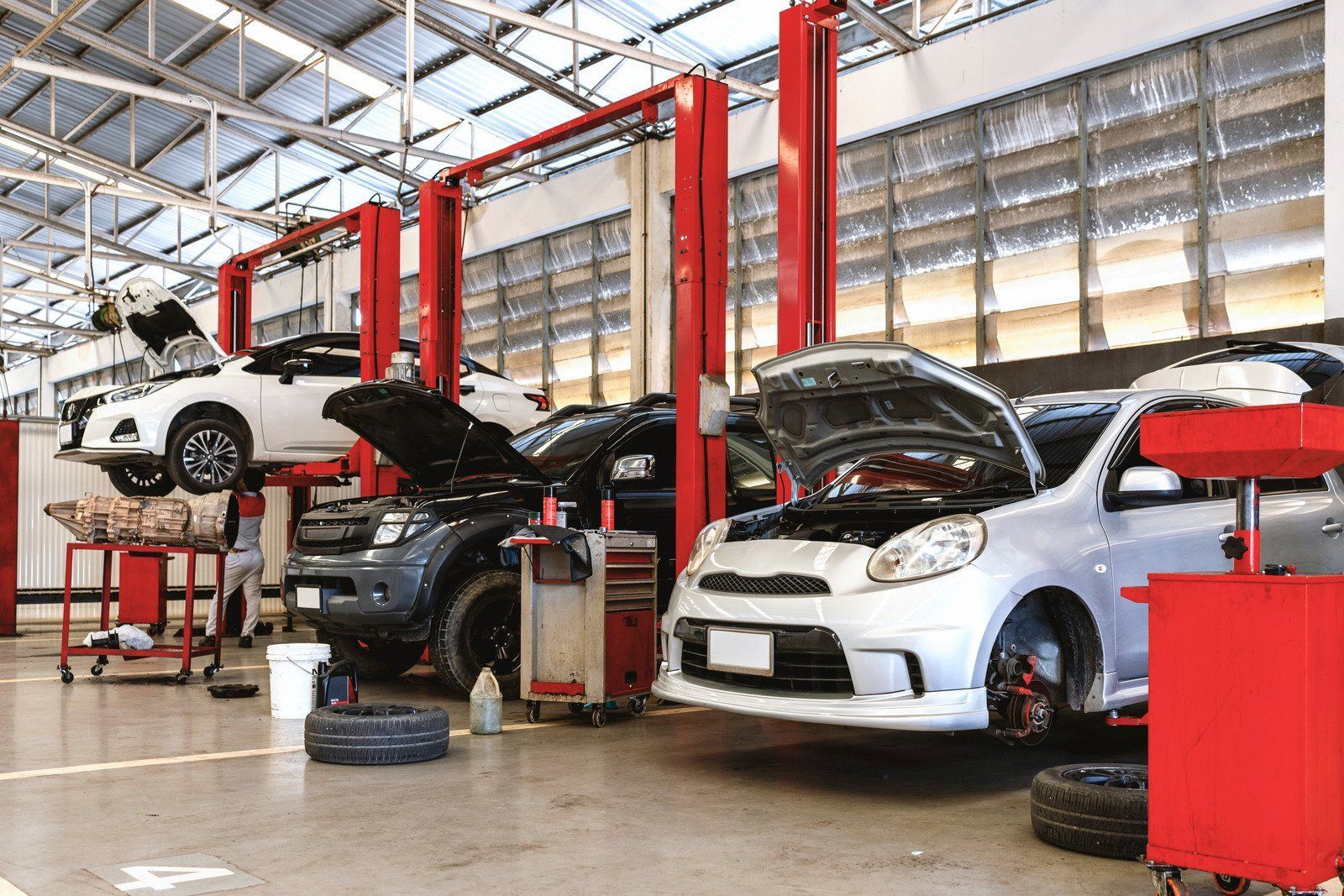
Cars being repaired in a garage, lifted on hoists. Red tools and equipment visible.
December 17, 2025
Experiencing vehicle damage can be stressful and overwhelming, whether from a minor fender bender or a significant collision.
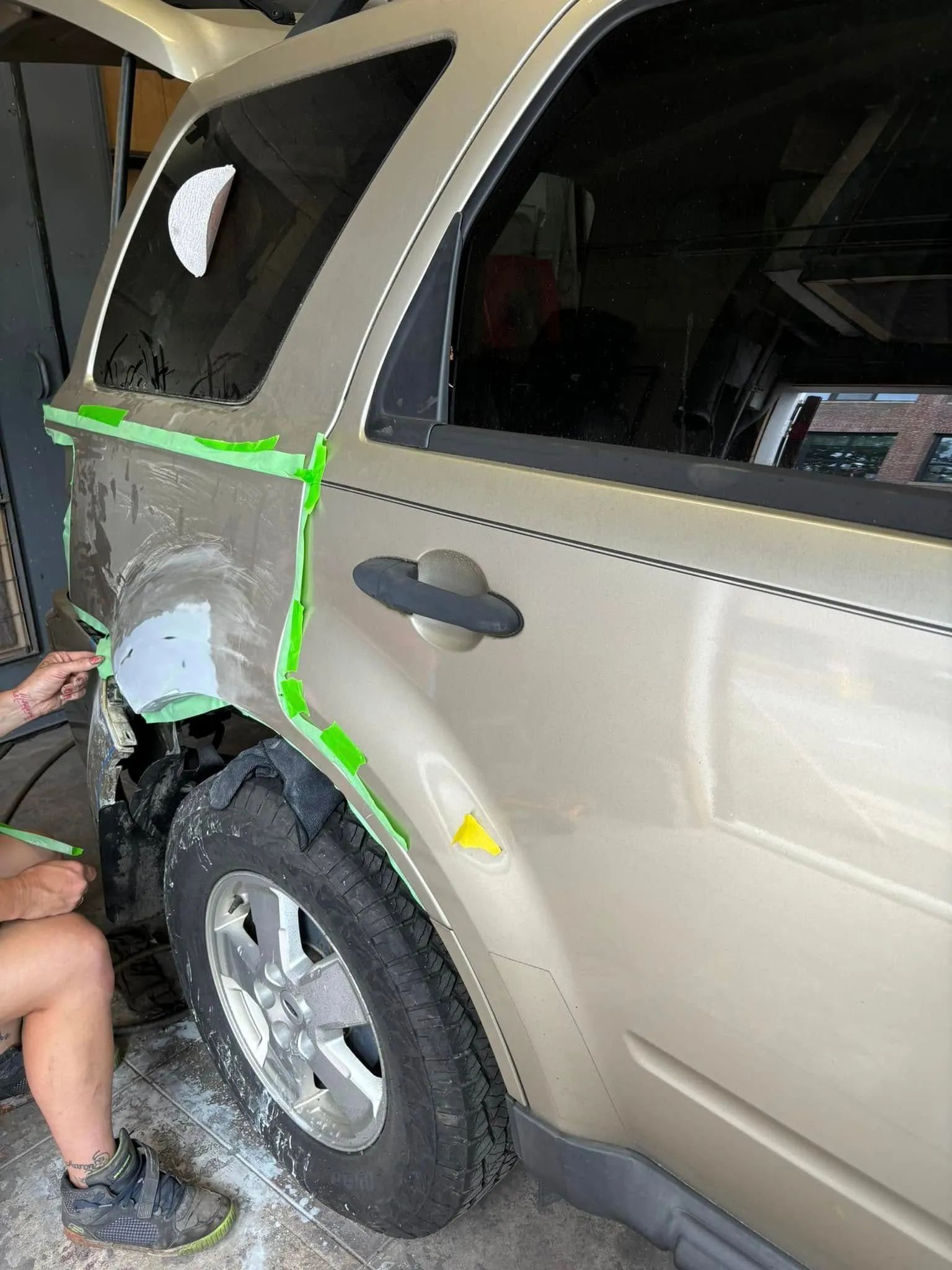
A tan SUV being repaired in a garage; areas taped with green, damaged panel attached. A person's arm and leg are visible.
November 12, 2025
Car accidents are an unfortunate reality for many drivers, and even minor collisions can result in significant vehicle damage. Understanding the most common types of damages and knowing how to address them is essential for keeping your car safe, functional, and aesthetically pleasing.
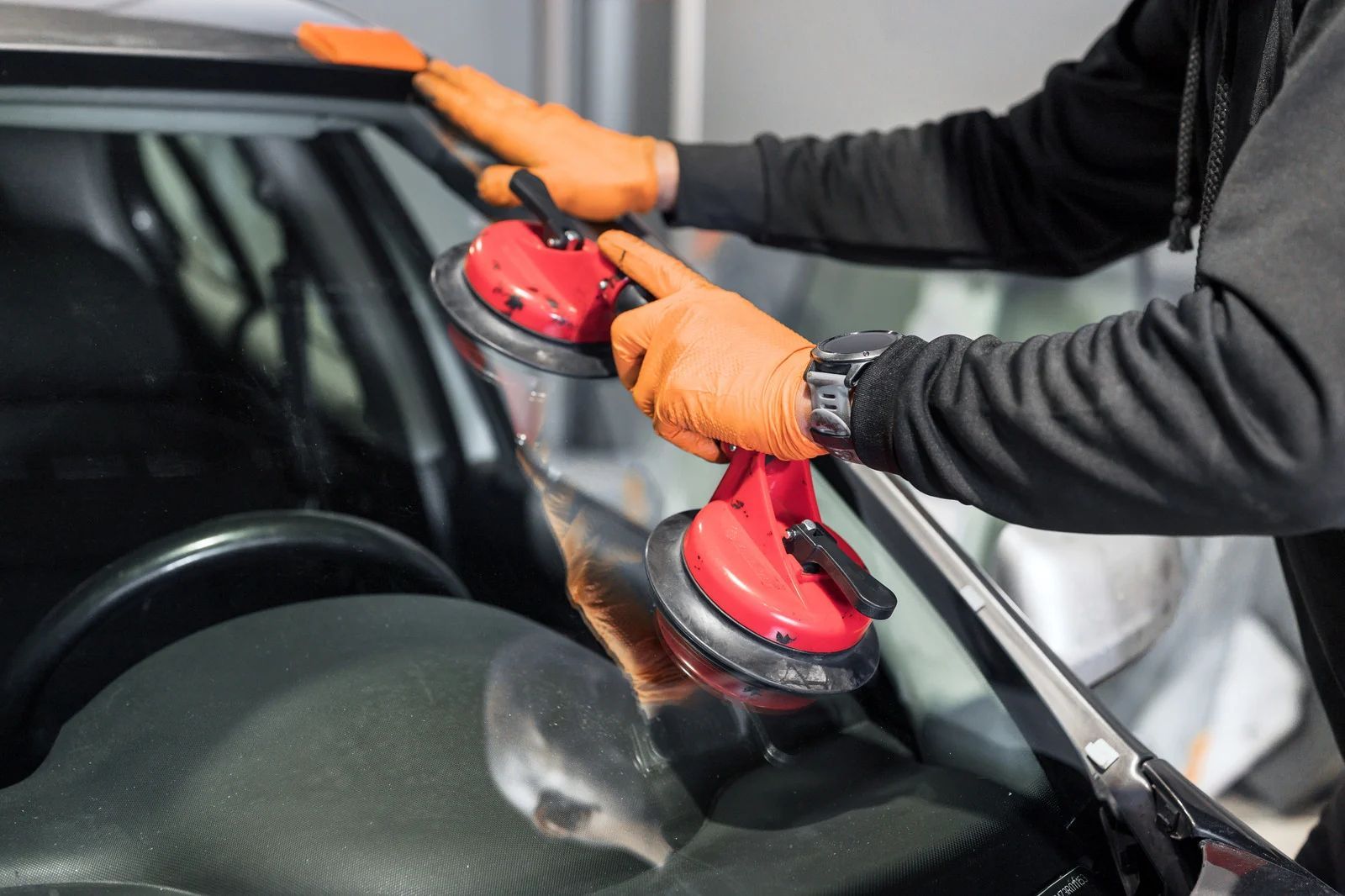
Person in orange gloves uses suction cups to remove a windshield from a car.
October 4, 2025
Your vehicle’s windshield and auto glass are more than just windows to the road—they’re vital components of your car’s structural integrity and safety. Whether it’s a small chip from a stray rock or a large crack from an accident, damaged auto glass can quickly escalate if left untreated.
Show More
Cars being repaired in a garage, lifted on hoists. Red tools and equipment visible.
December 17, 2025
Experiencing vehicle damage can be stressful and overwhelming, whether from a minor fender bender or a significant collision.
A tan SUV being repaired in a garage; areas taped with green, damaged panel attached. A person's arm and leg are visible.
November 12, 2025
Car accidents are an unfortunate reality for many drivers, and even minor collisions can result in significant vehicle damage. Understanding the most common types of damages and knowing how to address them is essential for keeping your car safe, functional, and aesthetically pleasing.
Person in orange gloves uses suction cups to remove a windshield from a car.
October 4, 2025
Your vehicle’s windshield and auto glass are more than just windows to the road—they’re vital components of your car’s structural integrity and safety. Whether it’s a small chip from a stray rock or a large crack from an accident, damaged auto glass can quickly escalate if left untreated.
Show More